Austro/Hungarian morsetasten
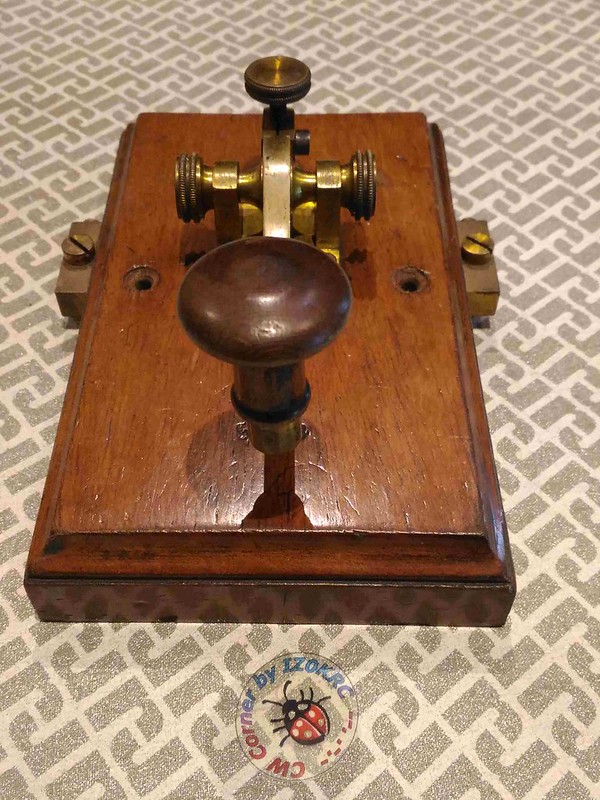
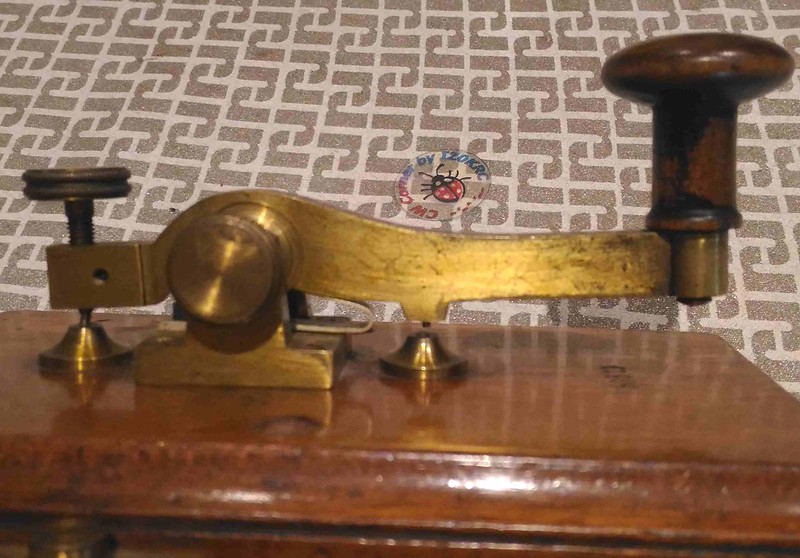
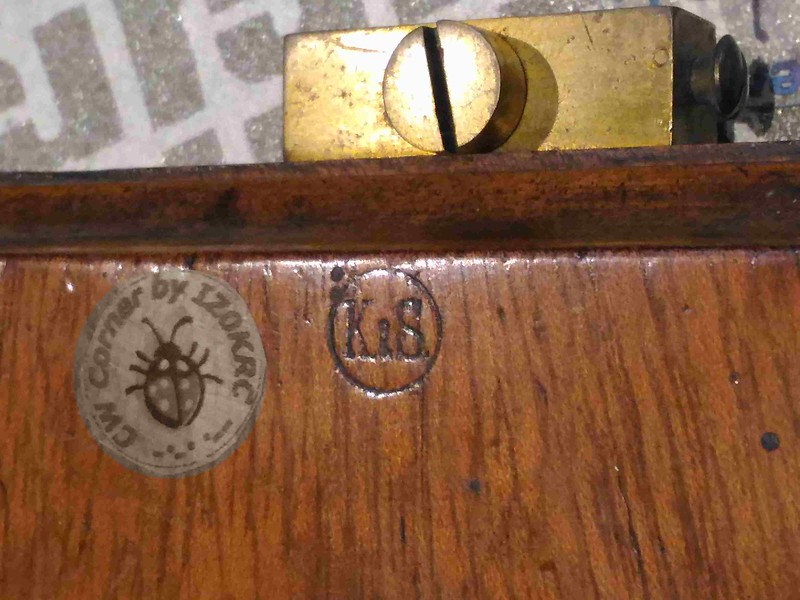
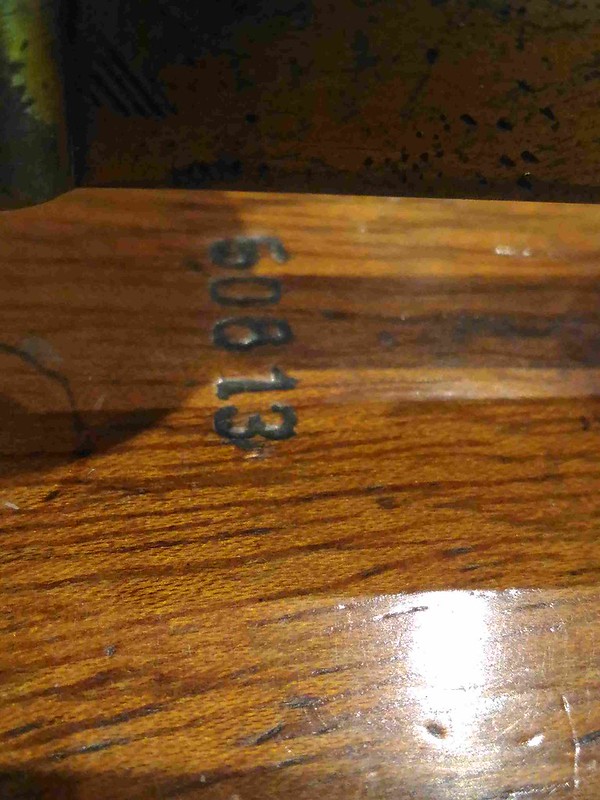
Early Austrian camelback key made from Kapsch & Shone (Kapsch & Sons) - 1892
#CK.AU.001
La società Austriaca Kapsch è stata fondata da Johann Kapsch nell’anno 1892 a Vienna. Johann Kapsch è nato nell’anno 1845 nella regione della Carniola oggi Slovenia, muorì a Vienna nel settembre del 1921 all'età di 76 anni.
Johann si trasferì a Vienna in giovane età per completare l’apprendistato di meccanico. Apre all’età di 47 la sua prima officina per la meccanica di precisione nel quartiere di Neubau a Vienna.
La validità dei prodotti Kapsch contribuì ad una veloce crescita della piccola officina. Tra i clienti maggiori si annoveravano le autorità postali e telegrafiche, così nel 1912 Kapsch inaugurò sempre a Vienna una nuova e più grande fabbrica spostandosi nel quartiere periferico di Meidling.
The Austrian company Kapsch was founded by Johann Kapsch in Vienna in 1892. Johann Kapsch was born in 1845 in the Carniola region of present-day Slovenia and died in Vienna in September 1921 at the age of 76.
Johann moved to Vienna at a young age to complete his apprenticeship as a mechanic. At the age of 47, he opened his first precision mechanics workshop in Vienna's Neubau district.
The quality of Kapsch products contributed to the rapid growth of the small workshop. Among its major customers were the postal and telegraph authorities, so in 1912, Kapsch opened a new, larger factory in Vienna, moving to the suburban district of Meidling.
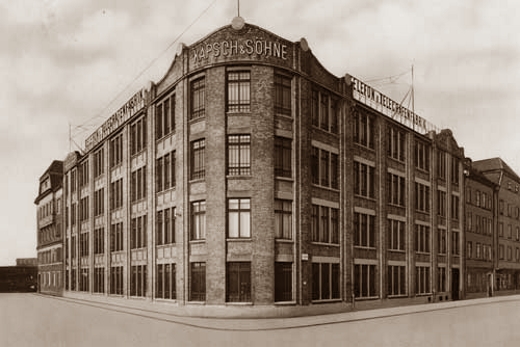
Con lo scoppio della prima guerra mondiale l’officina oltre a produrre le consuete apparecchiature radio e telegrafiche per i servizi postali dello stato e per le ferrovie, inizio a produrre apparati d’uso militare per l’intercettazione e la localizzazione di sorgenti radio.
Nel 1923 Kapsch entra nella produzione radio con il suo primo ricevitore denominato “Kapsch” utilizzante la tecnologia a tre tubi.
Kapsch sarà cofondatore della società RA.V.AG, Radio Verkehrs AG, aprendo in Austria l'era della radio.
Nel 1930 aggiunge alla produzione apparecchiature di trasmissione e ricezione televisiva, nel 1946, la Società Kapsch avrà un ruolo fondamentale per il ripristino e l’ammodernamento della rete telefonica nazionale.
L'Azienda è ancora attiva oggi ed è una multinazionale in mano ad uno dei discendenti Kapsch.
La Società in campo telegrafico ha prodotto tasti, relè, switch, registratori e quant'altro utile agli uffici postali e telegrafici dell'Impero Austriaco.
Sotto un magnifico esemplare di Camelback key di fine '800, dal classico stile Europeo.
With the outbreak of World War I, in addition to producing the usual radio and telegraph equipment for the state postal services and railways, the factory began producing military equipment for intercepting and locating radio sources.
In 1923, Kapsch entered radio production with its first receiver, the "Kapsch," using three-tube technology.
Kapsch co-founded RA.V.AG (Radio Verkehrs AG), ushering in the era of radio in Austria.
In 1930, the company added television transmission and reception equipment to its production. In 1946, the Kapsch Company played a key role in restoring and modernizing the national telephone network.
The company is still active today and is a multinational owned by one of the Kapsch descendants.
In the telegraph field, the company produced keys, relays, switches, recorders, and other items useful to the post and telegraph offices of the Austrian Empire.
Below is a magnificent example of a late 19th century Camelback key, in classic European style.
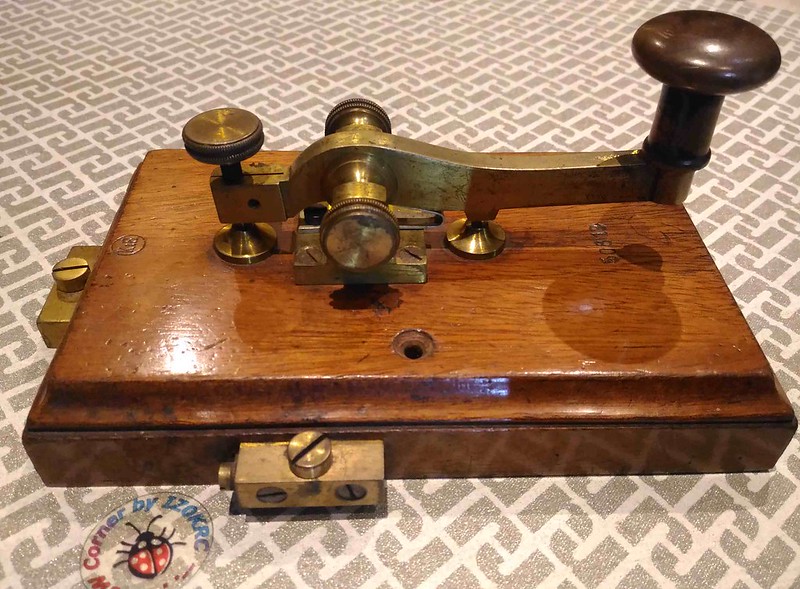
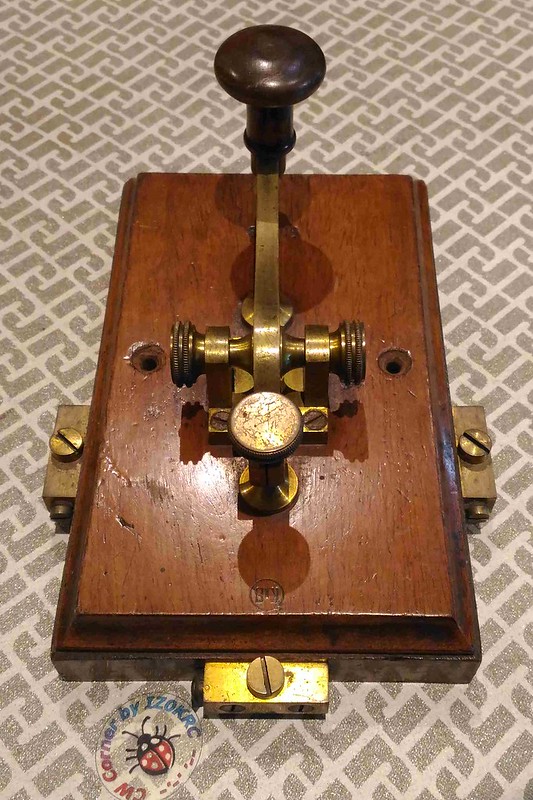
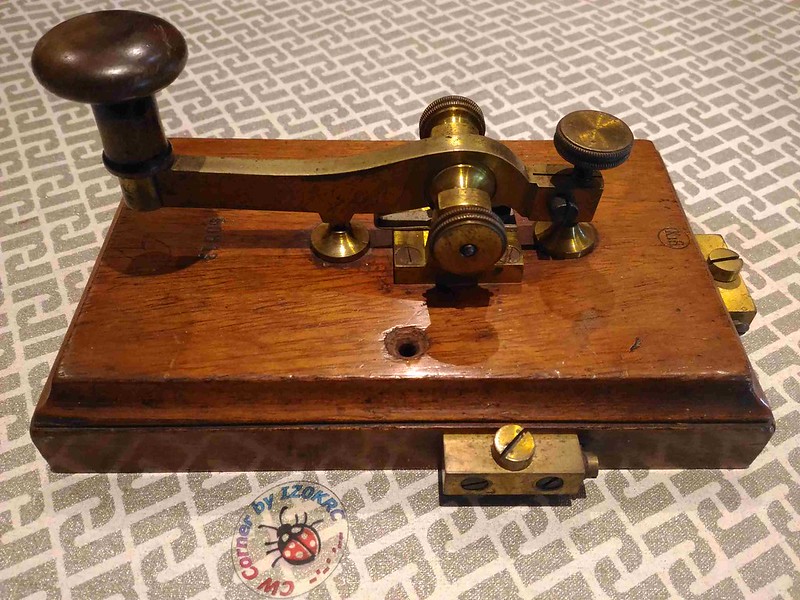

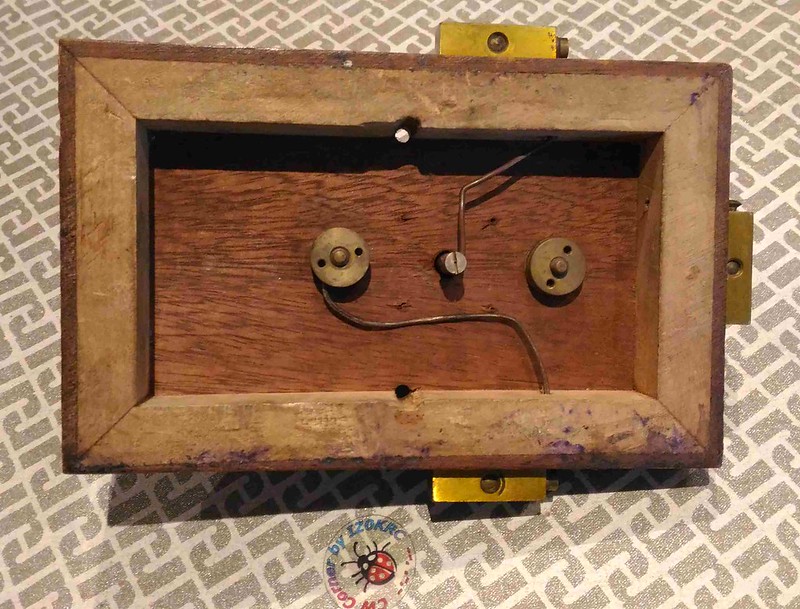
Early Austro Hungarian camelback key
CK.AU.002#
Tasto telegrafico tipo camelback, dal design tipico europeo, con due terminali prodotto intorno al 1875, in uso presso gli uffici postali del Regno Austro Ungarico .
Non sono presenti marchi o numeri seriali che possono permettere il riconoscimento dell'officina di costruzione, mentre la fattura del tasto permette di riconoscere il periodo di costruzione e la sua origine di provenienza sopra citate.
Camelback telegraph key, with a typical European design, with two terminals, produced around 1875, used in post offices in the Austro-Hungarian Empire.
There are no markings or serial numbers that would allow identification of the manufacturer, but the key's workmanship allows identification of the period of manufacture and its provenance, as mentioned under.
Questo tasto è richiamato anche nella pagina dedicata ai Camelback key.
16 Mar. 2019
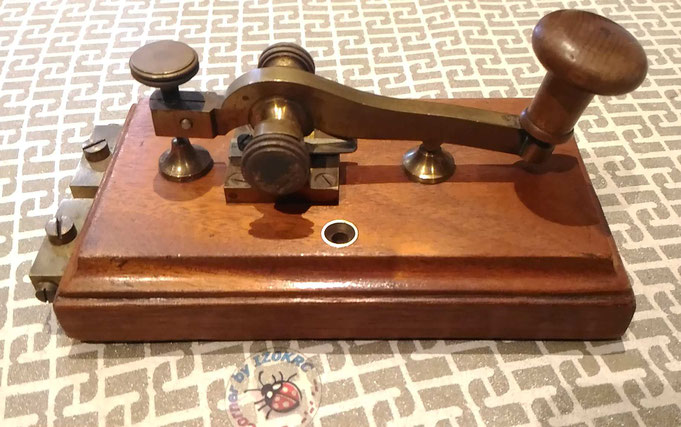
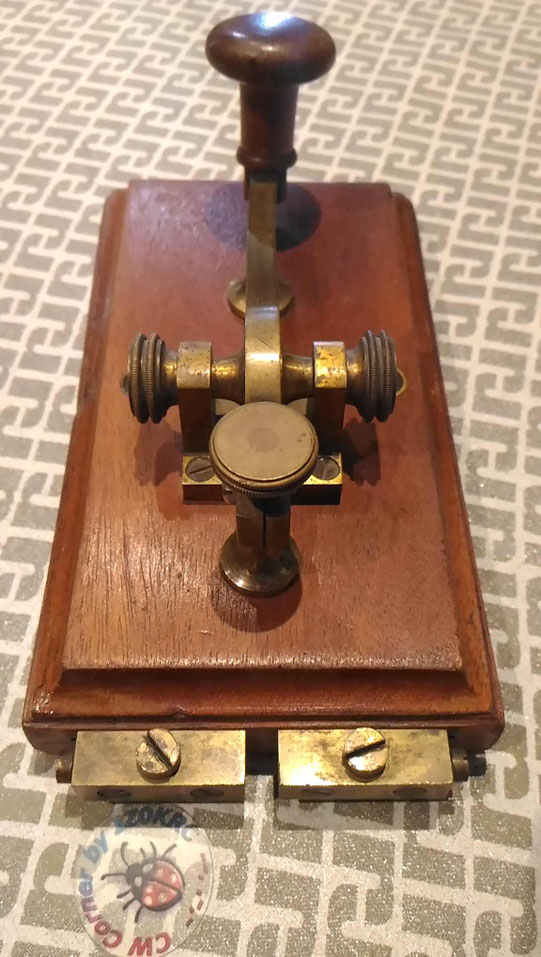
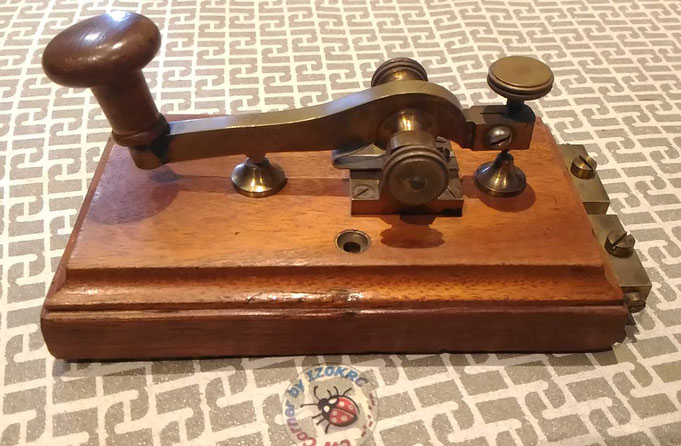
Early Austro Hungarian Camelback key Deckert und Holmoka
CK.AU.003#
Camelbak prodotto da Deckert and Homolka sino alla fine del XVIII secolo.
La forma classica del braccio ha una pronunciata "gobba" a dorso di cammello da cui l'appellativo camlback. Questa camelback austro-ungarica è un eccellente esempio, di lavorazione dell' ottone, laccato e base in legno lucidato, la molla principale a forma di "U" non ha alcun tipo di regolazione.
Questo camelback presenta delle "asportazioni" o modifiche occorse nel tempo, lo si nota dai fori laterali della base, che molto probabilmente sono state eseguite su commissione all'atto della fornitura, oppure eseguite dopo per modifiche strutturali ai sistemi di comunicazione dell'epoca.
La targa di riconoscimento è stata asportata (vedi i due rivetti sotto il braccio principale), ma ho la certezza del costruttore in quanto il tasto proviene da un lotto di acquisto per una dismissione scolastica della città di Budapest,. A corredo del tasto vi era il set completo di registratore, avvolgi nastro e relè telegrafico.
Camelbak was produced by Deckert and Homolka until the late 18th century.
The classic arm shape has a pronounced camelback hump, hence the name "camback." This Austro-Hungarian camelback is an excellent example, crafted from lacquered brass and featuring a polished wooden base. The U-shaped mainspring has no adjustments whatsoever.
This camelback has some "removals" or modifications that occurred over time, as can be seen from the holes on the base's sides. These were most likely made to order at the time of delivery, or subsequently due to structural modifications to the communication systems of the time.
The identification plate has been removed (see the two rivets under the main arm), but I am certain of the manufacturer's identity as the button came from a purchase lot for a disused school in the city of Budapest. The button was accompanied by a complete set of tape recorders, tape winders, and telegraph relays.
24 Gen' 2021

Very early Austrian multy switch camelback key
CK.AU.004#
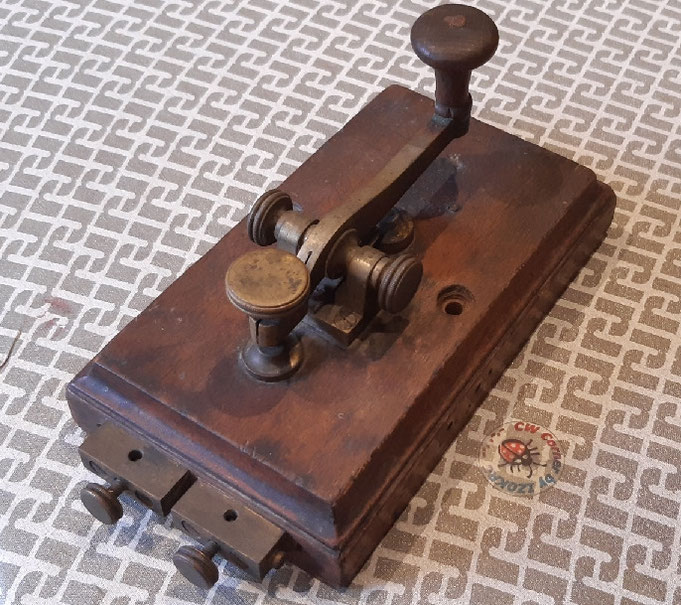
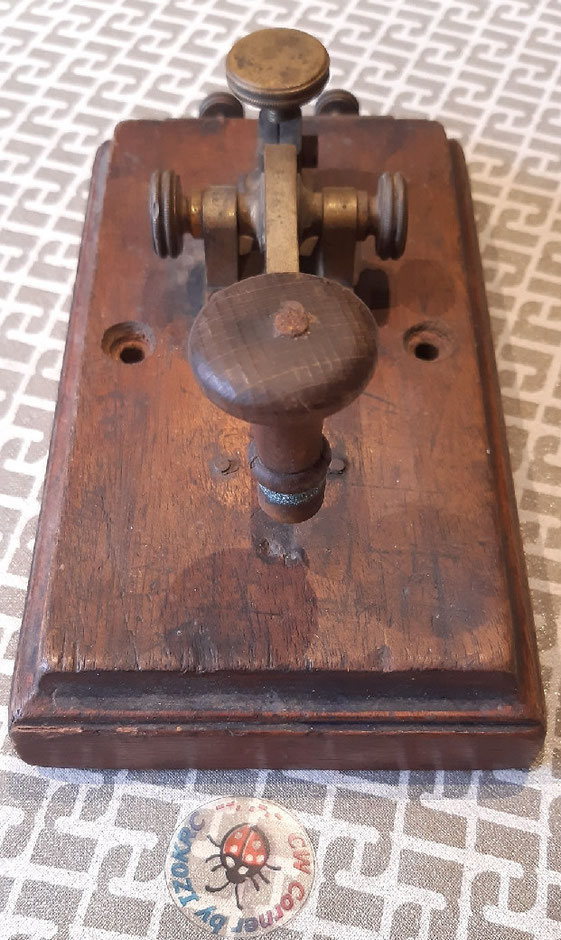
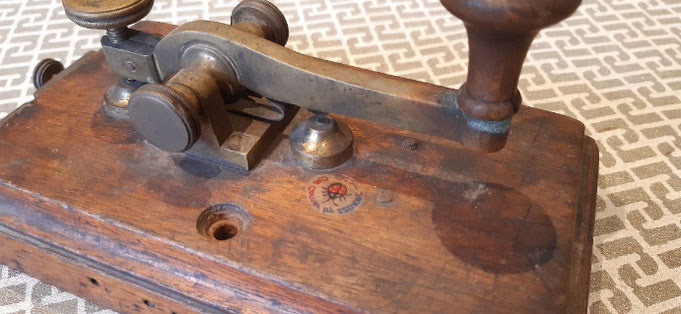
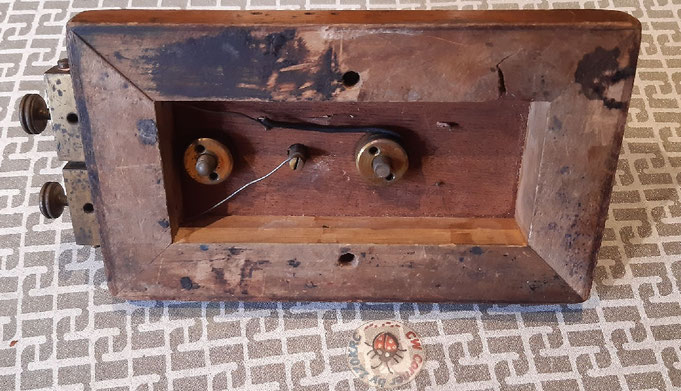
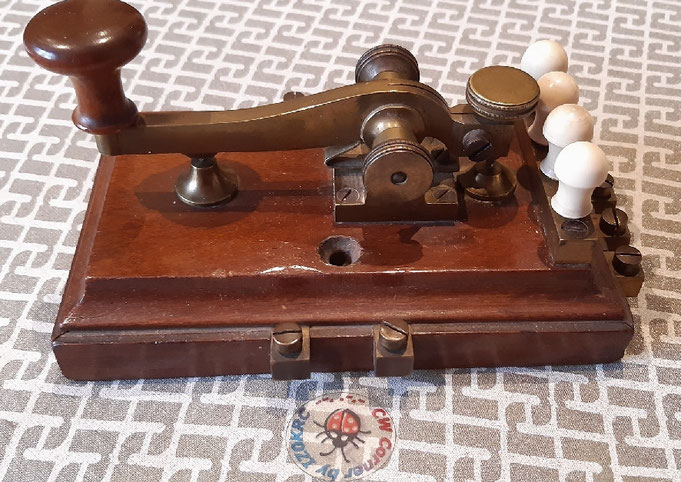
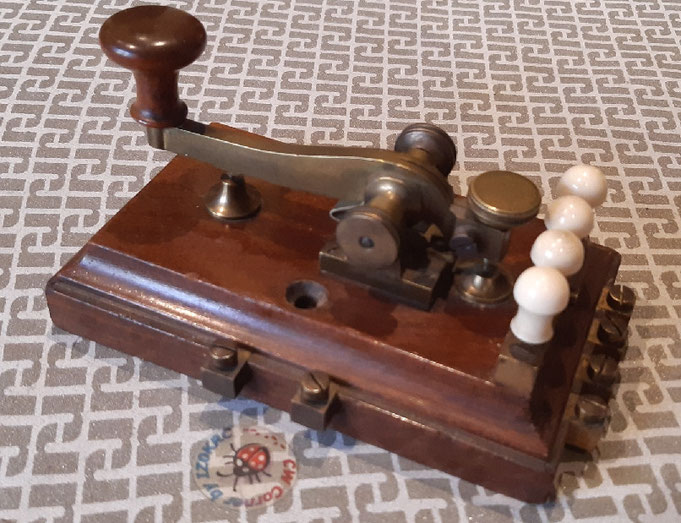
Tasto costruito nella prima era della telegrafia (1850 ca), meccanica fine ed elaborata dalle linee armoniche tipiche dei tasti cambelback. Questo tasto rispetto ai comuni camelback key presenta in aggiunta una barra di ottone forata. Da questa barra si poteva decidere quante batterie collegare o scollegare dal circuito, mediante l'ausilio di alcuni pin, composti in avorio e ottone, i quali aprivano o chiudevano il contatto fungendo da switch. Questa semplice selezione manuale permetteva di potenziare il circuito di trasmissione secondo le esigenze del momento. Si trattava di uno dei primi espedienti per razionalizzare ed eventualmente aumentare nel caso la distanza di trasmissione del segnale lungo le linee telegrafiche.
A key built in the early era of telegraphy (ca. 1850), featuring a fine and elaborate mechanism with the harmonious lines typical of camelback keys. Compared to common camelback keys, this key features an additional perforated brass bar. From this bar, it was possible to decide how many batteries to connect or disconnect from the circuit, using several pins made of ivory and brass, which opened or closed the contact, acting as a switch. This simple manual selection allowed the transmission circuit to be enhanced as needed. It was one of the first devices to rationalize and, if necessary, increase the transmission distance of the signal along telegraph lines.

Schema collegamenti
Sulla linea di questo progetto seguì la produzione di un modello definito a doppia leva. In questo caso anche le barre di switch verso le batterie si raddoppiano. Questo modello a doppia leva era utilizzato nelle prime linee submarine del Regno d'Austria.
Questo tasto doppio sopra descritto è possibile vederlo in foto, riportato sulla prima pagina di copertina del secondo libro scritto da Gregor Ulsamer DL1BFE. Libro intitolato "Faszination Morsetasten Supplement".
A key built in the early era of telegraphy (ca. 1850), featuring a fine and elaborate mechanism with the harmonious lines typical of camelback keys. Compared to common camelback keys, this key features an additional perforated brass bar. From this bar, it was possible to decide how many batteries to connect or disconnect from the circuit, using several pins made of ivory and brass, which opened or closed the contact, acting as a switch. This simple manual selection allowed the transmission circuit to be enhanced as needed. It was one of the first devices to rationalize and, if necessary, increase the transmission distance of the signal along telegraph lines.
Update 18 Ottobre 2023


Early Austro Hungarian learning camelback key.
LK.AU.001
Questa è una chiave didattica di tipo "primitivo" utilizzata per l'apprendimento della telegrafia.
La base della chiave è in solido legno di quercia, il braccio è formato da un pesante fusione in ghisa con tipico disegno comunemente detto "Camelback".
La chiave non presenta alcuna scritta o logo che può determinare la produzione.
Questa produzione era tipica dell'Impero Austro Ungarico, prodotta appena dopo la metà dell'ottocento.
L'amico Eliseo IK6BAK ne ha uno identico esposto nel suo sito Morsekey.net, marcato "Deckert e Holmoka"
This is a "primitive" educational key used for learning telegraphy.
The key base is made of solid oak, and the arm is made of a heavy cast iron with a typical "Camelback" design.
The key has no inscription or logo that could indicate its manufacture.
This type of key was typical of the Austro-Hungarian Empire, produced just after the mid-19th century.
My friend Eliseo IK6BAK has an identical one on display on his website Morsekey.net, marked "Deckert and Holmoka."
22 Gen' 2019

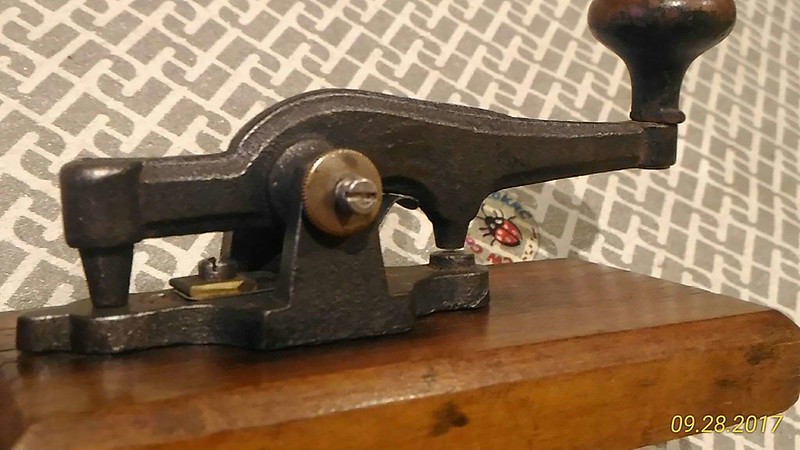
Early Austro Hungarian learning camelback key.
#LK.AU.002
Altra chiave telegrafica dedicata alla didattica della telegrafia, costruita sul fine dell'ottocento nell'allora Impero Austro Ungarico.
Non presenta marchi o segni per il riconoscimento dell'officina di produzione.
Materiali utilizzati, legno di quercia per base e pomello, ghisa per la leva principale ed il frame, acciaio per la molla di richiamo, ed ottone per la vite di regolazione della corsa.
Questo tasto, rispetto al precedente è relativamente più evoluto, infatti sono stati introdotti la vite di regolazione della corsa e la molla elicoidale, senza alcuna possibilità di regolazione.
Another telegraph key dedicated to teaching telegraphy, built in the late 19th century in the then Austro-Hungarian Empire.
It has no markings or markings identifying the manufacturer.
The materials used are oak for the base and knob, cast iron for the main lever and frame, steel for the return spring, and brass for the travel adjustment screw.
This key is relatively more advanced than the previous one, with a travel adjustment screw and coil spring added, but no adjustment options.
18 Marzo 2018
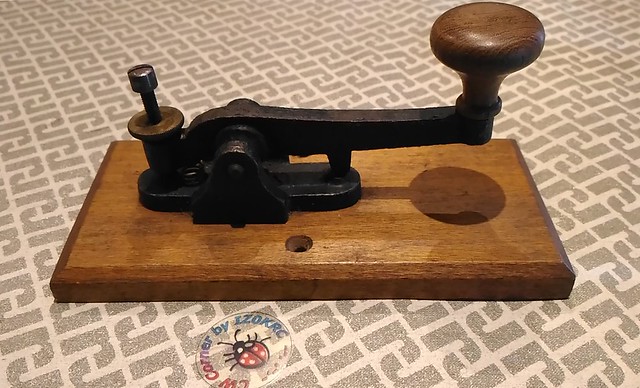
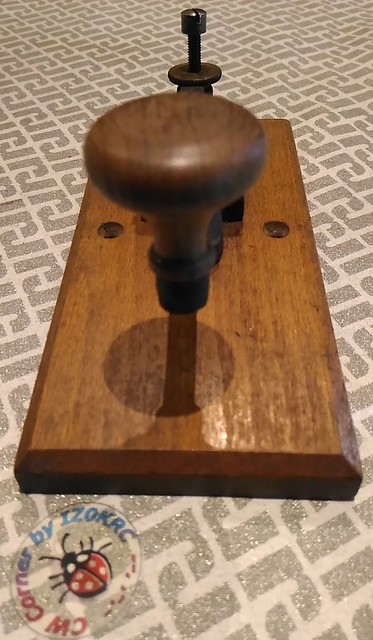
Learning Austro Hungarian Camelback key
Very early Austro Hungarian learning camelback key.
#LR.AU.003
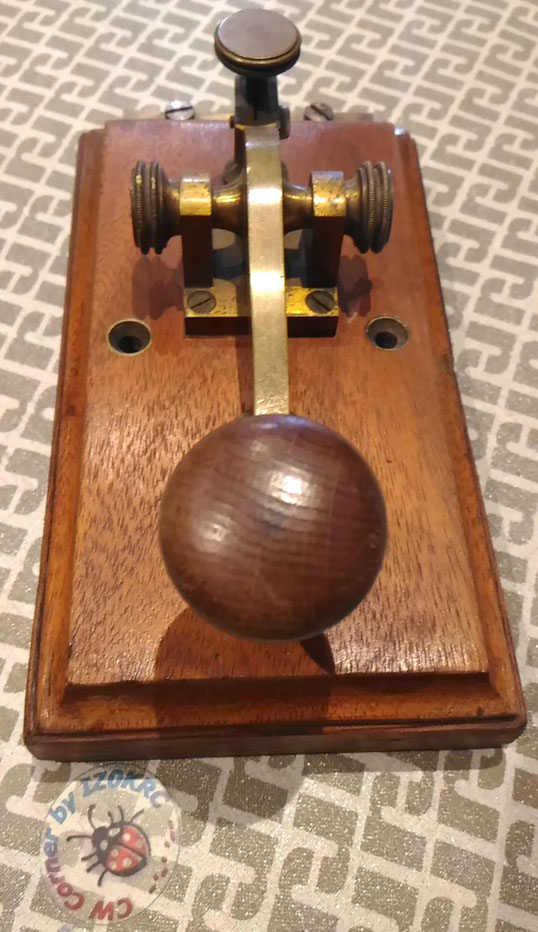
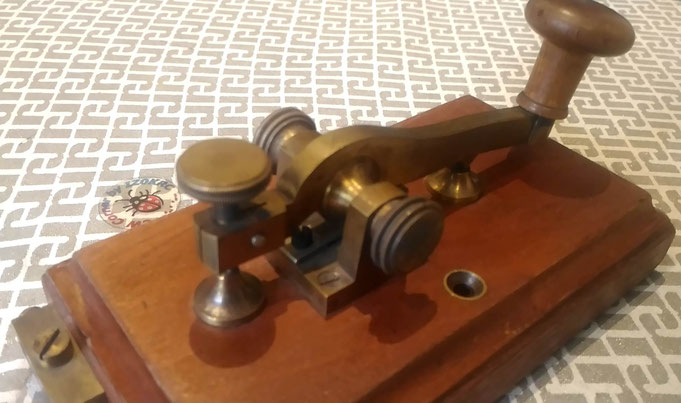
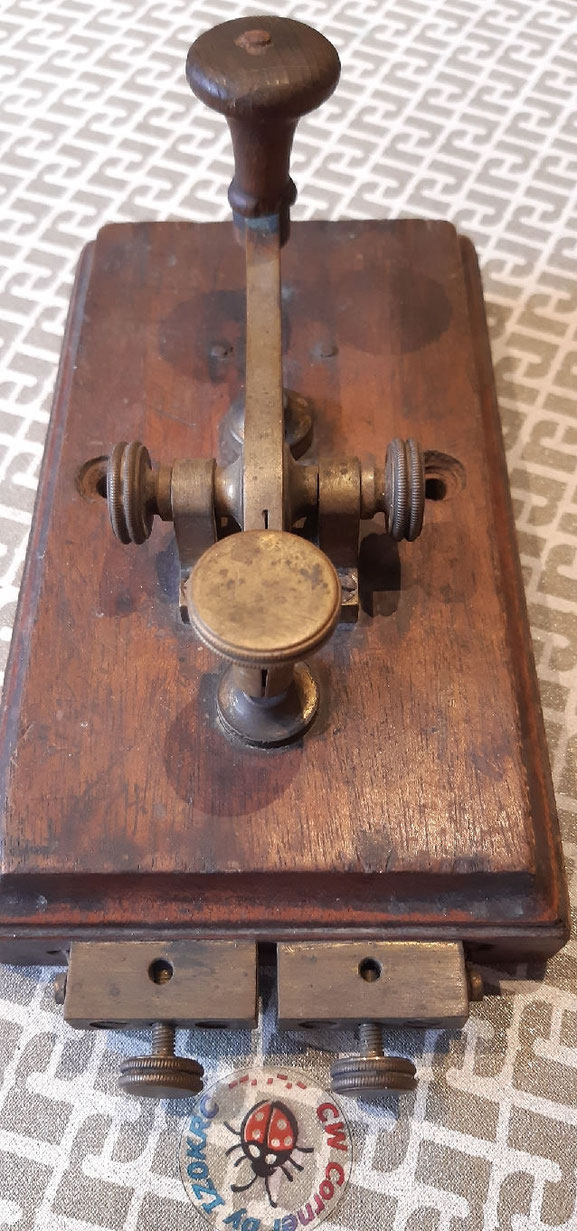
E' da poco arrivata questo eccezionale Camelback Austriaco.
Costruito completamente a mano, questo lo si nota dalle filettature, anch'esse eseguite a mano e da altri particolari costruttivi.
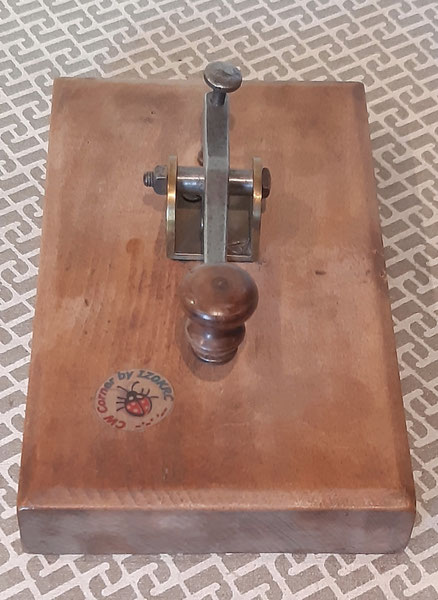
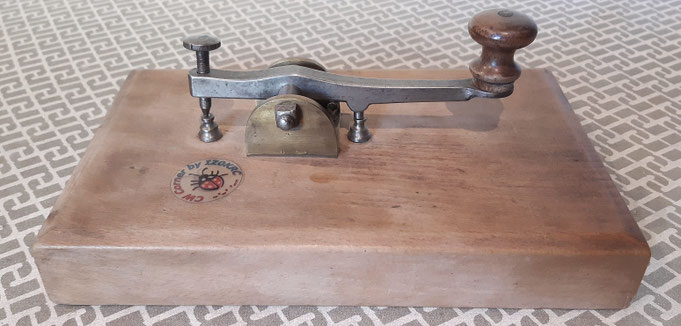
Il pomello dalla grande base è imperniato alla leva grazie ad una vite interna che il prolungamento verticale del braccio principale. L'hardware è in acciaio nichelato, mentre il frame è in ottone laccato. Il braccio principale ha la caratteristica gobba del Camelback in corrispondenza del frame, la leva lunga da all'osservatore un senso slancio alla forma complessiva del tasto. La molla di rimando è la classica molla piatta in uso all'epoca.
Questo Camelback ha un tocco sorprendentemente fluido, non comune per questo tipo di tasti.
Questo Camelback viene da una collezione privata Austriaca, iniziata da un telegrafista "della prima ora", istruttore presso il comando militare nel periodo Austro Ungarico (KuK. Monarchie).
Le informazioni su questo piccolo gioiello e su altre chiavi della collezione, sono state tramandate dai suoi pronipoti a me.
Data di costruzione 1870 circa.
Tasto di utilizzo didattico, di tipo sonoro.
Sulla base si notano due fori in asse, probabilmente il vincolo per legare lo strumento al tavolo di lavoro.
This exceptional Austrian Camelback has recently arrived.
Entirely handcrafted, this is evident in the hand-crafted threads and other construction details.
The large-base knob is hinged to the lever by an internal screw that is the vertical extension of the main arm. The hardware is nickel-plated steel, while the frame is lacquered brass. The main arm has the characteristic Camelback hump at the frame, and the long lever gives the observer a sense of momentum to the overall shape of the key. The return spring is the classic flat spring used at the time.
This Camelback has a surprisingly smooth touch, uncommon for this type of key.
This Camelback comes from a private Austrian collection, started by an early telegraph operator, an instructor at the military command during the Austro-Hungarian Monarchies (KuK).
Information about this little gem and other keys in the collection has been passed down to me by his great-grandchildren.
Date of manufacture: circa 1870.
The key is intended for educational use, and is a sound-based instrument.
On the base, there are two holes in the center, likely used to secure the instrument to the workbench.

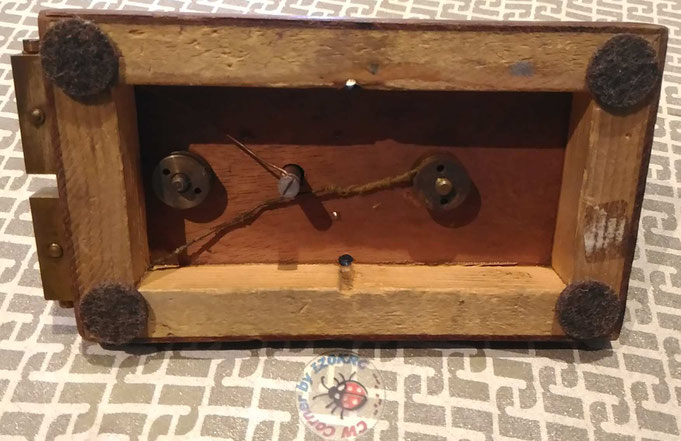
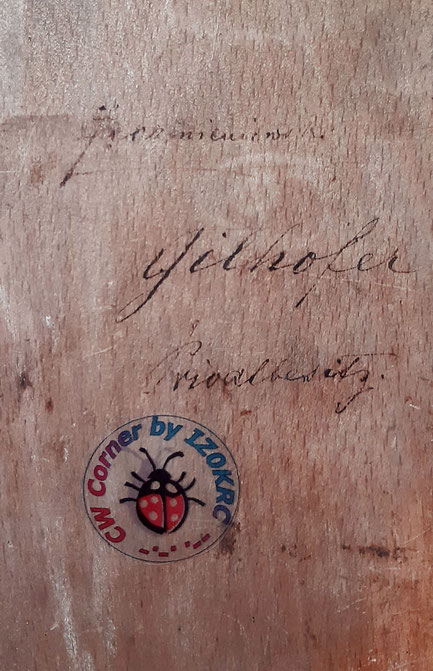
La base è in rovere massello ha una dimensione ed un peso fuori dal comune.
Sotto la base del tasto ci sono tre scritte che certificano il periodo di costruzione.
Il senso delle tre scritte con inchiostro di china sono:
- La prima parola* è il riferimento del titolo di lavoro del proprietario presso la KuK Monarchie
- La seconda parola è riferita al nome del proprietario del camelback (Gilhofer)
- La terza parola vuol dire proprietà privata( Privatbesitz )
*Questa parola è molto arcaica ed in disuso, tant'è che l'esatta traduzione del titolo non è stata possibile, pur interpellando alcuni amici austriaci e tedeschi. Se qualcuno è in grado di tradurre la prima frase, gliene sarei molto grato.
The base is made of solid oak and is of unusual size and weight.
Under the base of the fret are three inscriptions certifying the period of construction.
The meaning of the three inscriptions in Indian ink is:
- The first word* refers to the owner's job title at KuK Monarchie
- The second word refers to the name of the camelback's owner (Gilhofer)
- The third word means private property (Privatbesitz)
*This word is very archaic and obsolete, so much so that an exact translation of the title has not been possible, despite consulting some Austrian and German friends. If anyone can translate the first sentence, I would be very grateful.
04 Feb. 2020 - Up date Ott .2020
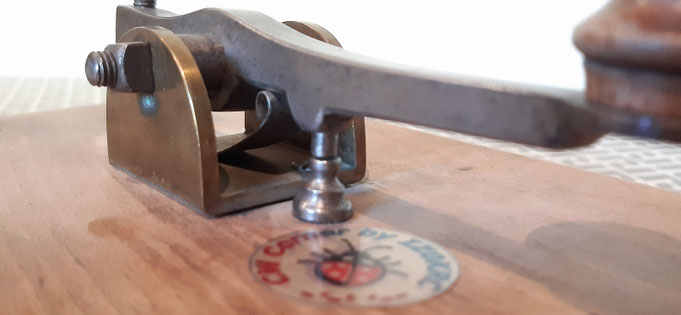
Calderoni Austro Hungarian camelback key.
Stefano Calderoni, nato a Rovereto nel 1794, per varie vicissitudini legate alle guerre Napoleoniche, alla fine della sua carriera militare fonda nel 1819 il suo laboratorio ottico con un negozio di vendita a Pest.
Stefano Calderoni, born in Rovereto in 1794, due to various vicissitudes linked to the Napoleonic wars, at the end of his military career in 1819 founded his optical laboratory with a sales shop in Pest.
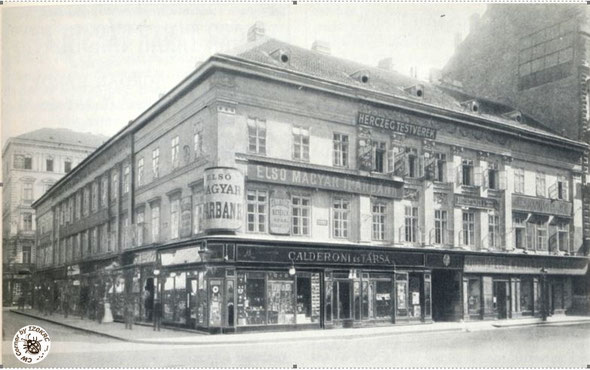
Nel 1848 arrivano i primi ordini dell'Impero Austro-Ungarico per rifornire le truppe di telescopi per uso militare durante la grande rivoluzione.
La sua produzione sarà ampliata in seguito anche verso gli strumenti scientifici e telegrafici, sino ad approdare al materiale didattico educativo. Quest’ultima produzione sarà nel tempo la chiave del lungo successo della società Calderoni, attiva per tramite degli eredi Calderoni sino al 1994. La Calderoni
è riuscita a passare indenne il periodo delle nazionalizzazioni durante il blocco Sovietico arrivando a fondersi nel 1994 con la multinazionale "3B Scientific " la quale acquisita un ramo di quello che rimane dell’azienda originaria dandole una nuova denominazione, la BIO-CALDERONI srl con sede a Budapest, ancora oggi attività nella formazione in campo didattico e scientifico.
In 1848, the first orders arrived from the Austro-Hungarian Empire to supply troops with telescopes for military use during the Great Revolution.
Its production later expanded to include scientific and telegraphic instruments, eventually leading to educational materials. This latter production would ultimately be the key to the long-standing success of the Calderoni company, which operated through the Calderoni heirs until 1994. Calderoni
managed to survive the period of nationalization during the Soviet bloc unscathed, ultimately merging in 1994 with the multinational "3B Scientific," which acquired a branch of what remained of the original company and renamed it BIO-CALDERONI srl, based in Budapest. Today, it continues to provide educational and scientific training.
20/02/2023
Calderoni Austro Hungarian camelback key.
#LR.AU.004 -- Feb. 2023
Tasto Camelback Calderoni con due terminali di contatto.
Camelback Calderoni button with two contact terminals.


Calderoni Austro Hungarian camelback key.
#LR.AU.005 -- Feb. 2023
Tasto Camelback Calderoni a tre contatti.
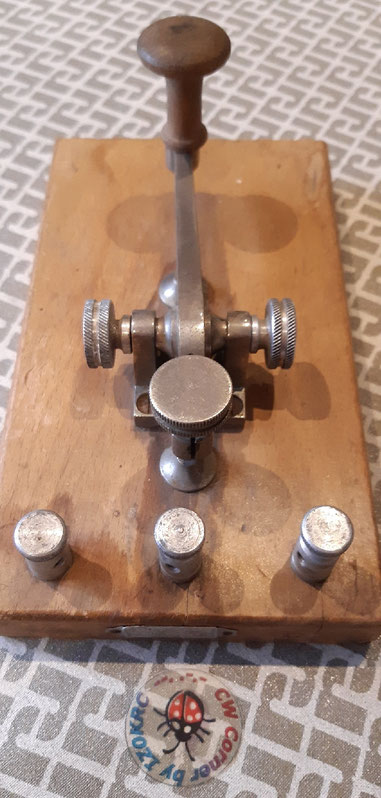
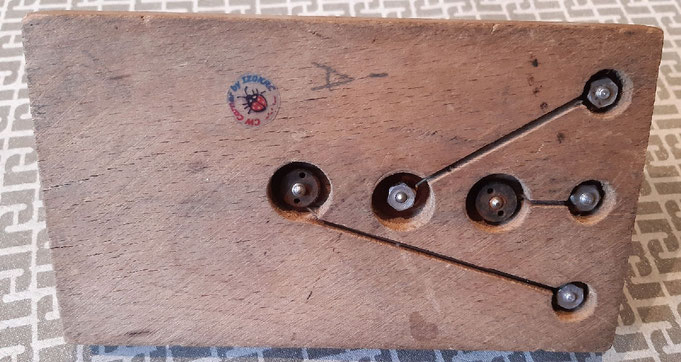
Tasto telegrafico didattico Ungherese
LK.HU.001
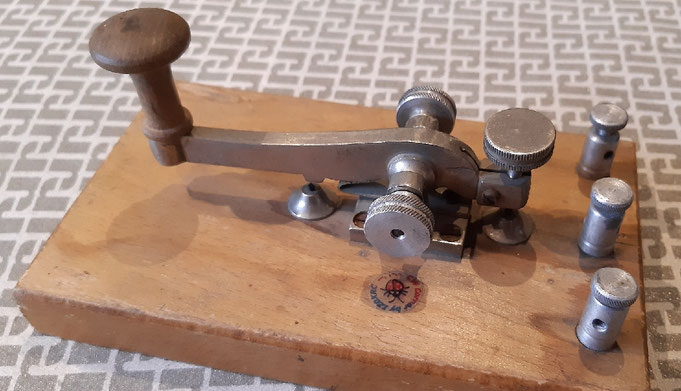
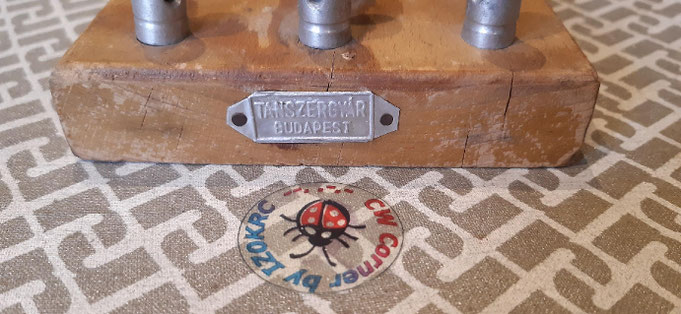
Piccolo tasto telegrafico utilizzato per l'apprendimento della telegrafia durante il periodo della cosidetta guerra fredda. Costruito in Ungheria con grande probabilità dalla ditta Ikarus, in analogia con un modello analogo di cui si differenzia solo la mancanza dei riferimenti costruttivi e due dadi posti a blocco delle viti di regolazione, escluso questi due spetti i due modelli di tasto sono identiche per forma e dimensioni.
A small telegraph key used for learning telegraphy during the Cold War. Most likely made in Hungary by the Ikarus company, it resembles a similar model, differing only in the lack of construction marks and two nuts securing the adjustment screws. Apart from these two aspects, the two key models are identical in shape and dimensions.
29 Gennaio 2023.